

I’ve always been drawn to the humble frog—those little amphibians hopping through ponds and gardens, carrying stories that span science and human imagination. As someone who loves nature walks and diving into folklore, frogs have sparked my curiosity with their dual role as lab subjects and cultural icons. In 2025, with biodiversity talks everywhere, exploring frog symbolism feels timely, revealing how these creatures bridge myths, biology, and modern meaning. Whether you’re a science buff or a mythology fan like me, this guide will uncover their scientific significance, cultural tales, myths, and deeper meanings. Let’s leap into the fascinating world of frogs!
Introduction
Frogs have a way of capturing the heart, from their croaky chorus at dusk to the ancient myths they inspire. I remember my first encounter with one as a kid, poking at a tadpole in a stream, unaware of the rich symbolism it held. Today, frogs embody transformation in science—think metamorphosis—and renewal in cultures worldwide. This duality fascinates me, especially as we face environmental challenges in 2025. From lab experiments to sacred tales, frogs symbolize life cycles, fertility, and resilience. This guide explores their scientific role, cultural depth, myths, and contemporary relevance, offering insights for nature lovers and storytellers alike. Let’s discover the meanings behind these leaping wonders!
Frog Symbolism in Science
In science, frogs symbolize adaptability and transformation, making them stars of biology labs. Their life cycle—from egg to tadpole to adult—illustrates metamorphosis perfectly, a process I’ve watched under a microscope in school. Scientists use frogs like Xenopus for genetic studies because their embryos develop quickly and transparently, revealing developmental secrets. I find it poetic how they represent evolution, with fossil records showing their ancient origins over 200 million years ago. In ecology, frogs are bioindicators, sensitive to pollution—their decline signals environmental health issues, a wake-up call for me about climate change. This scientific symbolism underscores their role as nature’s teachers, bridging lab benches and ecosystems.
Cultural Significance of Frogs
Frogs hold deep cultural significance, often embodying fertility and prosperity. In many indigenous traditions, they’re rain-bringers, their calls heralding storms—Native American lore sees them as earth guardians. In ancient Egypt, the frog-headed goddess Heqet symbolized rebirth, linked to the Nile’s floods. I love how in Japanese culture, frogs represent good fortune, with “kaeru” meaning both “frog” and “return,” symbolizing homecoming. Asian folklore ties them to luck, while in some African tales, they’re tricksters. This global reverence shows frogs as symbols of life’s cycles, resonating with me as emblems of renewal and community.
Frog Myths and Legends Across the World
Frog myths and legends paint a vivid picture worldwide, and I’ve pored over tales that spark wonder. In Greek mythology, the frog links to Aphrodite, symbolizing love’s transformative power. Mesoamerican Aztecs revered the rain frog Tlaloc, associating it with water and agriculture. European folklore warns of frog princes, turning curses into kisses—a story I’ve retold to kids. Aboriginal Australian Dreamtime stories see frogs as creators of waterholes, vital for survival. These narratives highlight themes of change and fertility, with frogs as harbingers of fortune or peril. I cherish how they weave into human stories, teaching lessons through leaps and croaks.
Modern Meanings and Interpretations
In modern times, frog symbolism evolves with our world, representing resilience amid change. Environmentalists use frogs as icons for conservation, their sensitivity to toxins mirroring climate fragility—I’ve seen campaigns with frog motifs urging action. In psychology, they symbolize emotional growth, the tadpole-to-frog journey akin to personal development. Pop culture nods to them in memes like “frog memes” for internet humor, or in yoga poses like Malasana for grounding. I interpret them as adaptability symbols in tech, hopping between digital ecosystems. This contemporary lens keeps frogs relevant, inspiring me to embrace life’s transformations.
Frogs in Art and Literature
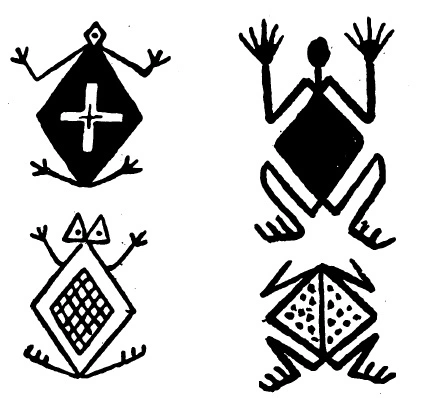
Frogs pop up in art and literature as muses for creativity, from ancient carvings to modern works. Hieroglyphs depict them in Egyptian tombs, symbolizing eternity. Literature features them in Aesop’s fables as clever survivors, a lesson I’ve applied to challenges. Artists like Beatrix Potter gave them whimsy in tales, while contemporary pieces use them for eco-messages. I’ve sketched frogs in my journal, capturing their essence. Their presence in haiku and poetry evokes seasonal change, blending beauty and symbolism. This artistic thread shows frogs as timeless inspirations.
Conservation and Symbolic Importance Today
Today, frog conservation ties their symbolism to urgent needs, with over 40% of species threatened. As amphibians, they’re canaries in the coal mine for habitat loss and pollution, urging action I support through donations. Symbolically, they represent biodiversity’s fragility, their decline a call for stewardship. I’ve joined local cleanups, seeing frogs as emblems of hope—reviving wetlands revives them. Initiatives like the Amphibian Survival Alliance highlight their role, and I find their symbolism motivating for change. Protecting frogs safeguards ecosystems, embodying renewal.
Conclusion
Frog symbolism weaves science and culture into a tapestry of myths and meanings, from lab transformations to global legends. Their adaptability, fertility, and resilience inspire me across art, literature, and conservation. In a changing world, frogs remind us of life’s cycles. Ready to explore? Observe one in nature, read a myth, or support conservation—frogs leap into our hearts for a reason!
