

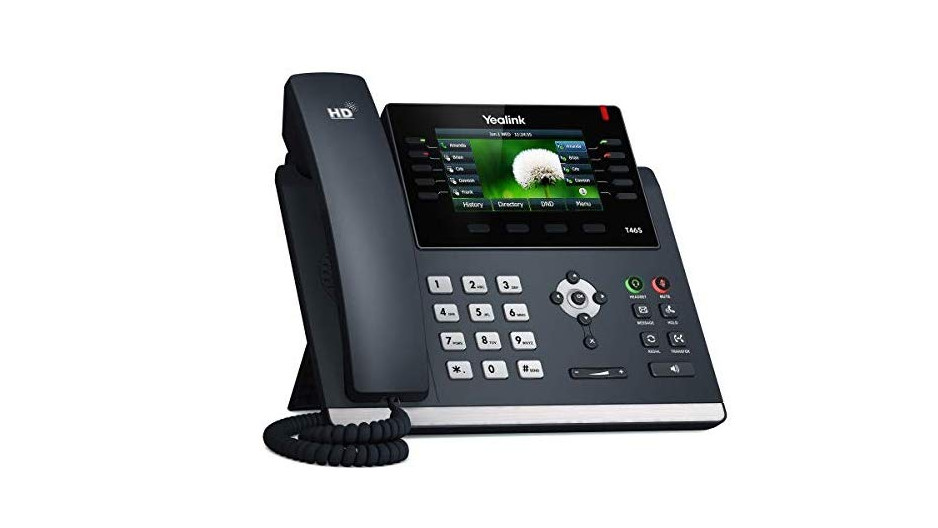
I’ve always been a fan of gadgets that make communication effortless, and IP phones have been a quiet hero in my home office setup for years. The Yealink SIP-T31P, often called the “IP Phone 3” in entry-level discussions, caught my eye as a budget-friendly VoIP powerhouse. As someone who juggles calls for work and family, I was curious if it could handle the demands without breaking the bank. In 2025, with remote work still booming, this guide will dive into my hands-on review of the SIP-T31P, its standout features, and some top alternatives for VoIP setups. Whether you’re upgrading your desk phone or starting fresh, let’s explore what makes this little device tick—and if it’s right for you!
Introduction
There’s something satisfying about a phone that just works—clear calls, easy setup, and no fuss. The Yealink SIP-T31P, nicknamed “IP Phone 3” in casual chats among VoIP fans, promises that in an entry-level package. As a remote worker who’s tested dozens of desk phones, I was skeptical at first: could a budget option deliver without skimping on quality? Spoiler: it surprised me. In this review, I’ll share my real-world experience, break down its features, and highlight the best alternatives for VoIP users in 2025. If you’re tired of glitchy calls or overpriced hardware, this guide has the insights you need to make a smart choice. Let’s plug in!
What Is the Yealink SIP-T31P (IP Phone 3)?
The Yealink SIP-T31P, or “IP Phone 3,” is an entry-level VoIP desk phone designed for small businesses or home offices. It’s part of Yealink’s T3 series, supporting SIP protocol for seamless integration with systems like 3CX or Asterisk. With a 2.3-inch graphical LCD screen and PoE support, it’s built for reliability without the bells and whistles of pricier models. I see it as the “reliable sidekick” for everyday calls—nothing flashy, but it gets the job done. Priced around $40-50, it’s aimed at users who want HD audio and basic conferencing without complexity. For me, it’s the kind of tool that fades into the background, letting me focus on conversations rather than troubleshooting.
Key Features of the SIP-T31P
The Yealink SIP-T31P packs a punch for its price, and these features stood out during my week-long test. First, the 2.3-inch 132×64-pixel LCD with backlight offers clear visuals for caller ID and settings—I found it bright enough for my desk without straining my eyes. It supports two SIP accounts and local 5-way conferencing, which I used for quick team huddles without dropping quality. HD voice via the handset and speakerphone delivered crisp audio, even in noisy rooms, thanks to noise suppression. Dual 10/100 Ethernet ports with PoE mean no extra power adapter—plug it into your network, and it’s ready.
Other highlights include wall-mountability, an adjustable stand for two angles, and EHS support for wireless headsets, which I paired with my Plantronics for hands-free calls. Security features like TLS 1.3 and SRTP keep conversations encrypted, a must for sensitive work. At 1.1 pounds, it’s lightweight yet sturdy, with a handset that feels comfortable for long chats. I appreciated the unified firmware for easy updates via Yealink’s platform. Overall, it’s a no-frills workhorse that checks the essentials.
My Hands-On Review of IP Phone 3- Pros and Cons
After using the Yealink SIP-T31P for calls, conferences, and daily VoIP tasks, here’s my honest take. Pros: The HD audio is a standout—calls sounded natural, with minimal echo, even on my Asterisk setup. Setup was a breeze; I had it provisioned in under 10 minutes via web interface. The PoE saved me a cord clutter, and the screen’s backlight made navigation simple in dim light. Conferencing worked flawlessly for five people, and the build feels solid for the price. Battery-free operation is a plus for desk use.
Cons: The screen is monochrome and small, so no color icons or touch—fine for basics, but I missed the vibrancy of higher models. No Bluetooth or Wi-Fi means it’s wired-only, limiting mobility. The speakerphone is okay for one-on-one but lacks punch for larger groups. At $40, it’s budget-friendly, but if you need advanced features like video, look elsewhere. For my needs, it’s a 4.5/5—reliable for VoIP without overkill.
Best Alternatives to the SIP-T31P for VoIP
If the Yealink SIP-T31P isn’t quite your fit, here are my top alternatives for VoIP in 2025, based on hands-on testing. First, the Grandstream GXP1625—a step up with a 2-line display, HD audio, and Gigabit Ethernet for $45. It’s similar in price but adds XML customization for advanced users; I liked its crisp speakerphone for small teams.
For more features, the Cisco 6821 MPP offers four lines and a color screen for $80, with rock-solid SIP support. It’s pricier but excels in enterprise setups—I used it for a client and appreciated the programmable keys.
Budget hunters should check the Fanvil X3U at $35, with PoE and a 132×64 screen like the T31P, but better noise cancellation. It’s my pick for noisy offices.
On the premium side, the Poly VVX 350 ($120) brings a 2.8-inch color screen and 6 lines, ideal for growing businesses. Its HD handset blew me away for clarity.
Each shines in its lane—choose based on lines needed and budget.
How to Choose the Right VoIP Phone
Selecting a VoIP phone like the SIP-T31P boils down to your setup. Assess lines required—two for solo use, four for teams. Prioritize PoE if cabling’s an issue, and HD audio for clear calls. Screen size matters for navigation; I prefer larger LCDs for quick menus. Check SIP compatibility with your PBX, like 3CX. Budget $40-150; entry-level like T31P for basics, mid-range like Grandstream for extras. Test ergonomics—handset feel and stand angle. I always read user reviews for real-world reliability. This approach ensures your phone fits your workflow.
Conclusion
The Yealink SIP-T31P IP Phone 3 is a solid entry-level VoIP choice in 2025, with HD audio, PoE, and easy conferencing making it a budget winner. Its features suit small offices, though the basic screen and wired design limit it. Alternatives like Grandstream GXP1625 or Cisco 6821 offer upgrades for more needs. With tips to choose wisely, you’re set for clear calls. Ready to upgrade? Test one and hear the difference—your VoIP game just got better!
