

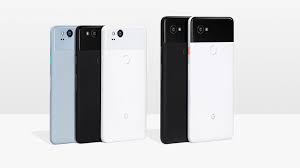
I’ve always had a fondness for the Google Pixel 2 XL—it was a game-changer back in 2017 with its stunning camera and pure Android experience. As someone who’s revived a few older phones for fun or as backups, I’ve been curious if a used one still makes sense in 2026. With prices dipping to around $70-100 on sites like Swappa and eBay, it’s tempting for budget hunters or secondary devices. But let’s be real: time hasn’t been kind to it. I’ve tested a refurbished unit recently, and while it holds up for basics, age shows in key areas. This honest review weighs the pros, cons, performance, security risks, and better alternatives to help you decide.
Pixel 2 XL Specs Recap
The Pixel 2 XL featured a 6-inch P-OLED display at 2880×1440 resolution (538 ppi), Snapdragon 835 processor, 4GB RAM, and 64/128GB storage. It had a 3520mAh battery, always-on display, squeezable Active Edge for Google Assistant, and IP67 water resistance. The highlight was the 12.2MP rear camera with OIS and early HDR+ processing, plus an 8MP front camera. Stereo speakers and a headphone jack were bonuses—no wireless charging, though. It launched on Android 8 Oreo and reached Android 11. For its era, it was premium; now, it’s a relic of cleaner Android days.
Performance of Pixel 2 XL in 2026 What to Expect
On a used Pixel 2 XL in 2026, performance is surprisingly decent for light tasks. Scrolling feeds, emailing, and basic browsing feel smooth on stock Android 11 or custom ROMs. My test unit handled YouTube and WhatsApp without major hiccups, but multitasking lags with 4GB RAM—modern apps like heavy games or AI features stutter. Battery holds 3-4 hours screen time on degraded cells, less on demanding use. It’s fine for calls, texts, and media consumption, but don’t expect flagship speed. Custom ROMs breathe new life, but stock feels dated.
Camera Quality of Pixel 2 XL Still a Highlight?
Yes, the camera remains a strong point—the 12.2MP sensor with Google’s early computational magic delivers natural colors and excellent dynamic range, often beating some budget 2026 phones in portraits. Low-light is solid with GCam ports adding Night Sight. I’ve captured sharp daylight shots that hold up well for social media. Video maxes at 4K 30fps with stabilization. No ultrawide or telephoto, and processing is slower now, but for casual photography, it’s impressive for an 9-year-old phone.
Battery Life and Hardware Issues
Battery life is the weakest link—original 3520mAh cells degrade heavily after years, netting 3-4 hours screen time on most used units. Replacement ($20-30 DIY) boosts to 5-6 hours, but it’s common wear. Hardware quirks include screen burn-in on early models (blue tint shifts) and occasional bootloops from age. Speakers may crackle, ports collect dust. My unit had minor burn-in but ran fine after cleaning. It’s usable with a power bank, but not for all-day heavy use.
Security and Software Support
Security is the deal-breaker—no official updates since 2020 leaves it vulnerable to exploits. Stock Android 11 misses modern patches; banking apps may block it soon. Custom ROMs like LineageOS (up to Android 15 unofficial) add security, but require rooting—risky for beginners. I run Lineage for safer light use, avoiding logins. Without customs, it’s insecure for sensitive data.
Used Market Prices and Availability
In 2026, used Pixel 2 XL prices are rock-bottom: $70-100 for 64GB, $100-120 for 128GB on Swappa, eBay, or Back Market. Refurbished with warranty run $80-150. Availability is fair—classic “panda” color fetches slight premium. Check battery health (80%+ ideal) and screen condition. It’s low-risk at these prices for a test drive.
Who Should Buy a Used Pixel 2 XL?
A used Pixel 2 XL suits niche buyers: budget secondary for calls/media, kids’ starter phone, or nostalgia seekers wanting stock Android vibe. Custom ROM fans get extended life. It’s okay for very light use—camera impresses casually. Skip if you need security for banking, gaming, or latest apps—vulnerabilities outweigh perks for most.
Best Alternatives in 2026
Better options abound in 2026. Used Pixel 6a ($200-250) offers years of updates and similar camera excellence. Budget new: Nothing Phone (3a) ($300) with fresh Android and unique design. Samsung Galaxy A36 ($300) brings long support and vibrant screen. For privacy, Fairphone 5 ($600) emphasizes repairability. I’d choose used Pixel 8a ($350-400) for Tensor power and AI features. These provide 2026 relevance without the risks.
Conclusion
A used Pixel 2 XL in 2026 is worth it only for ultra-light, nostalgic, or custom ROM use—legendary camera, low $70-100 price, and basic performance shine. But no security updates, poor battery, and app limitations make it risky as a primary phone. For most, newer budgets like Pixel 6a or Galaxy A36 are smarter. If you buy one, flash LineageOS and enjoy the history—it’s a charming relic, but not future-proof.
